
Your attachment style
Secure
Low anxiety, low avoidance
You can get close to people without losing yourself, and you can be on your own without feeling abandoned. You tend to say what you need and trust that the people who love you mean it.
Where your answers place you. Most people lean, rather than fit a box.
Your strengths
- You can ask for what you need without turning it into a test.
- You trust people until they give you a real reason not to.
- A disagreement doesn’t feel like the end of the relationship.
Where it gets hard
- You may stay too long, expecting things to settle the way they usually do.
- You can underestimate how hurt you are and just push through.
- A partner with a different style can leave you unsure what went wrong.
What you need in love
Honesty, consistency, and someone who meets you halfway when things get hard.
After a breakup
A breakup still hurts, sometimes a lot. The difference is that the pain usually doesn’t turn into self-blame or a frantic need for answers. You can grieve, lean on people, and slowly trust that you’ll be okay.
What helps
- Let yourself grieve fully instead of rushing to be fine.
- Keep leaning on friends: support is part of what keeps you steady.
- If you were with someone anxious or avoidant, notice which patterns weren’t yours to fix.
- You said you keep replaying the breakup. That’s your mind looking for a different ending. Give it a set time each day, write the thoughts down, then do something with your hands.
- You said you tell yourself you’re fine. Feelings you skip tend to come back later, so give them a little room now: a walk, a journal page, or one honest talk with a friend.
How you pair with each style
- Secure + SecureUsually steady: you can both talk things through.
- Secure + AnxiousOften good: steady reassurance helps worry settle.
- Secure + AvoidantCan work well: patience gives the avoidant partner room to open up.
- Secure + Fearful-avoidantCan be healing, if the secure partner stays consistent through the push and pull.
Patterns, not rules: any pairing can work with awareness and care.
Made for secure attachment
Close the chapter yourself
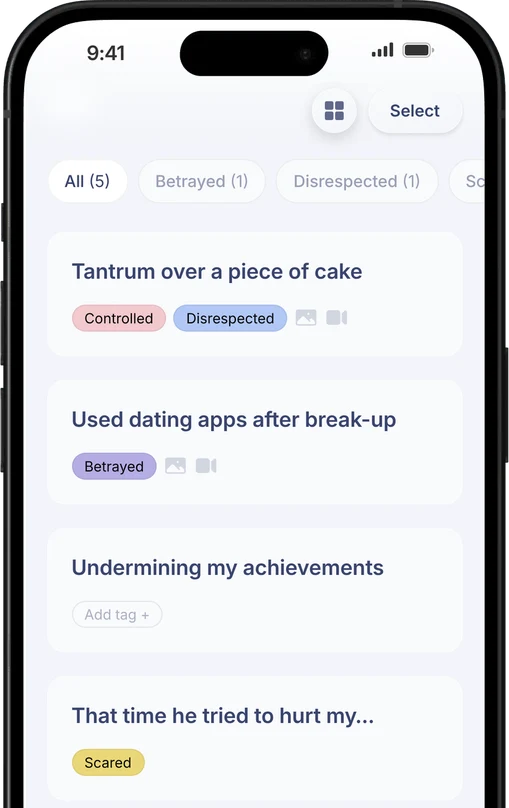
Write down what happened and what you learned, so you don’t need answers from your ex to move on.
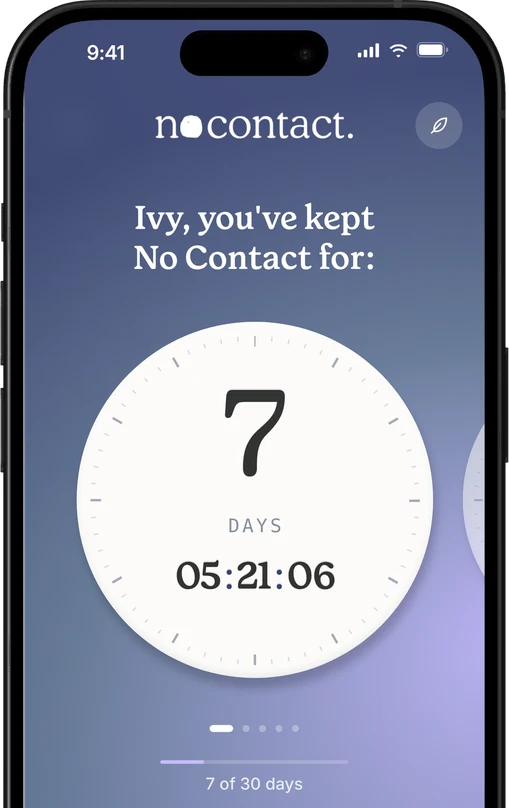
- Count your no contact days
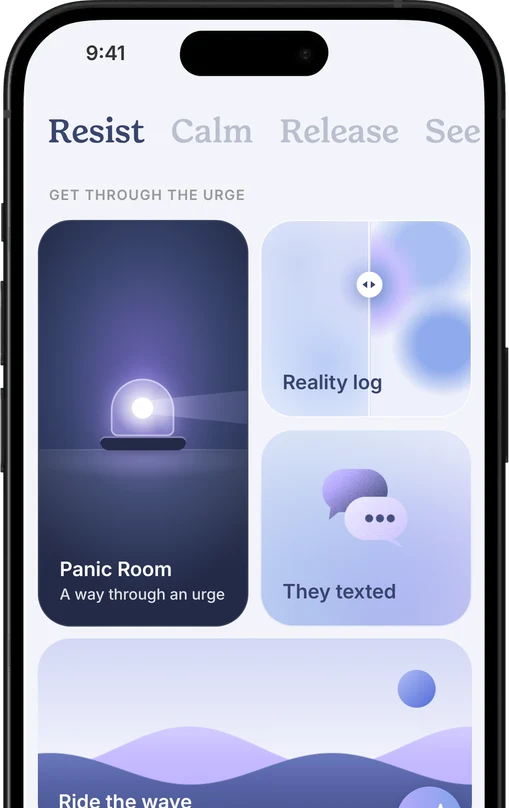
- Get through the urge to reach out
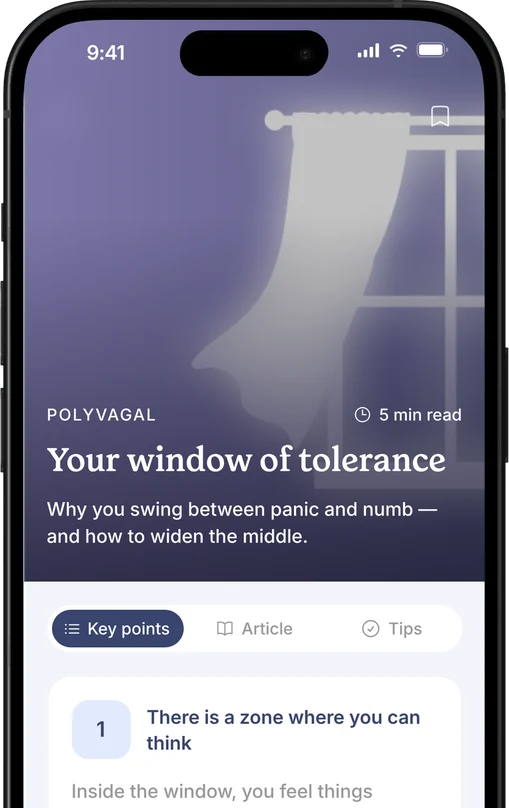
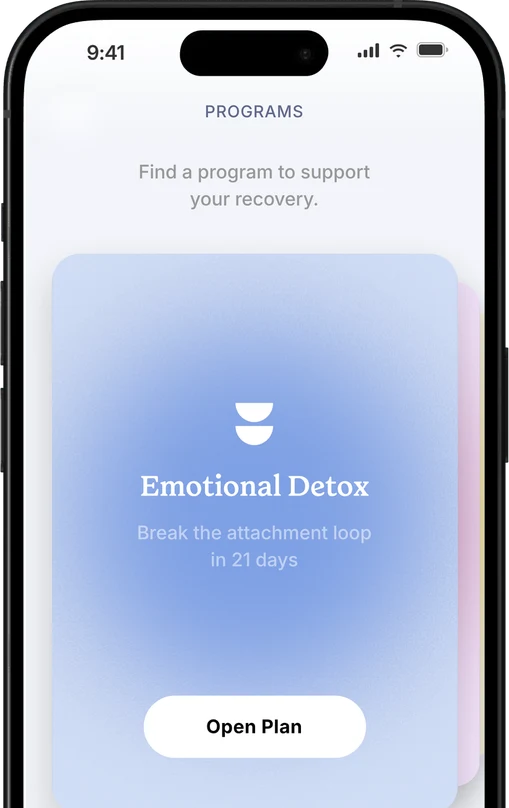
- Guided programs and science-backed reads